When you work outside in winter, the aim is not simply to wear as much clothing as possible. You need to stay warm without becoming sweaty and dry without restricting your movement.
The best way to layer workwear for cold and wet weather is to use three adjustable layers:
A breathable base layer to manage moisture
An insulating mid-layer to retain warmth
A waterproof and wind-resistant outer layer for protection
You can then add, remove or open each layer as the weather and your workload change.
Why should you layer winter workwear?
Several lighter layers give you more control than one extremely heavy jacket.
Someone carrying materials or working with livestock will generate more heat than someone operating machinery or standing outside. A layered system can be adjusted before you become too hot, cold or damp.
Layer one: a breathable base layer
The base layer sits directly against your skin. Its job is to move moisture away from your body before it leaves you feeling cold and damp.
Choose a base layer that is:
Close-fitting without restricting movement
Lightweight and breathable
Made from a moisture-managing synthetic or wool-based fabric
Avoid starting work with too many heavy layers. If you are already extremely warm before becoming active, you are more likely to sweat.
Layer two: fleece, hoodie or bodywarmer
The mid-layer traps warm air around the body. The right option depends on how active you are and how much freedom of movement you need.
A technical fleece is lightweight and breathable, making it suitable for active work. The Xpert Pro Half-Zip Tech Fleece can be worn underneath a waterproof jacket without adding excessive bulk.
A hoodie or sweatshirt provides more traditional warmth. Browse our work hoodies and fleeces for different weights and fits.
A bodywarmer keeps your core warm while leaving your arms unrestricted. This makes it useful for driving, handling equipment or regularly moving between indoor and outdoor environments.
Layer three: waterproof outerwear
Your outer layer acts as the barrier between you and the weather. It should protect against wind and rain while allowing heat and moisture to escape.
For cold and changeable conditions, the Xpert Pro 3-Layer Tactical Shell Jacket combines weather protection with a quilted lining.
When conditions are both cold and persistently wet, a lined waterproof jacket may be more suitable. The Swampmaster No-Sweat Thermgear Jacket combines waterproof protection with a warm fleece lining.
During milder wet weather, an unlined waterproof shell can be worn over your chosen mid-layer. This gives you more control over your temperature.
Browse our full range of waterproof work jackets .
Layering your legs and feet
A waterproof jacket will only do part of the job if your trousers and footwear become saturated.
In changeable weather, work trousers can be worn underneath lightweight waterproof overtrousers. For colder and persistently wet conditions, lined waterproof trousers may provide better warmth and protection.
Make sure your trouser layers leave enough room to bend, kneel and climb safely. Explore our waterproof work trousers .
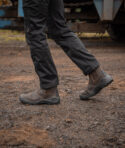
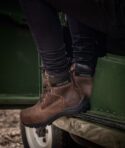
Waterproof safety boots may be suitable for mixed conditions, while wellingtons provide better protection in deep mud or standing water. Read our guides to choosing work wellingtons and waterproof dealer boots for more information.
How to avoid overheating
Overheating can leave your inner clothing damp. Once your activity level drops, that moisture can make you feel cold very quickly.
Open jacket vents or zips before strenuous work
Remove a layer when your activity level increases
Put the layer back on during breaks
Replace wet inner clothing when possible
Try your complete layering system together before relying on it at work. Check that you can bend, kneel, reach overhead and operate tools without restriction.
Remember the smaller essentials
A warm beanie, snood, suitable gloves and dry work socks can make a considerable difference in cold conditions. Keeping spare socks or gloves in your vehicle is also worthwhile.
The Xpert Winter Essentials Set includes a beanie, snood and work socks for colder days.
Frequently asked questions
How many workwear layers should I wear in winter?
Three layers provide a useful starting point: a breathable base layer, an insulating mid-layer and a waterproof outer layer. You may only need two during active work or milder weather.
Is a fleece or hoodie better as a mid-layer?
A technical fleece is generally lighter and more breathable for active work. A hoodie provides traditional warmth but may feel bulkier underneath a fitted jacket.
Should a waterproof jacket be one size bigger?
Not automatically. Choose a size that accommodates your intended layers while still fitting securely and allowing unrestricted movement.
What should I wear for farm work in winter?
Start with a breathable base layer, add a fleece or bodywarmer for warmth and finish with properly waterproof outerwear. Add waterproof trousers and suitable boots according to the ground conditions.
Find workwear for cold and wet conditions
Explore Xpert Work Clothing and Swampmaster Wet Gear to build a layering system suited to your work and the conditions.